Charlista: A Handwritten Script Font That Elevates Modern Branding
It was one of those mornings where the blank brand board feels more intimidating than inspiring. I had a new client — a small, artisanal coffee shop looking for a refreshed visual identity. I needed something warm, personable, and just a little bit elegant. I reached for Charlista, a handwritten script font I’d downloaded a few weeks prior but hadn’t had the chance to really test. I dropped it into the logo concept and immediately felt the shift — the design started to breathe.
What Makes Charlista Stand Out
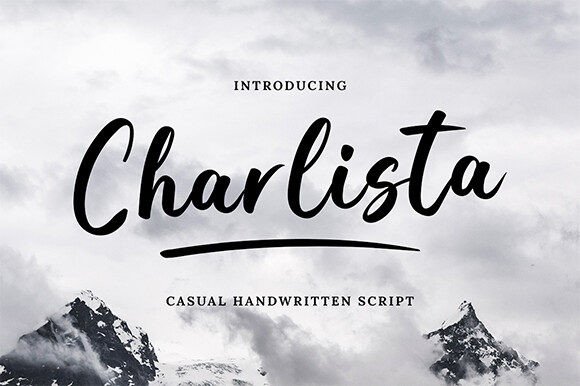
Charlista is an exquisite handwritten font, masterfully designed to become a true favorite. It maintains its classy calligraphic influences while feeling contemporary and fresh. The balance between fluid strokes and clean structure gives it a unique personality that feels both refined and approachable. It’s not overly ornate, which makes it more versatile than many script fonts in the same category. Whether you're working on a boutique brand or a creative studio identity, Charlista brings a sense of warmth and authenticity that’s hard to fake with more sterile typefaces.
Real-World Testing: From Logo to Packaging
I tested Charlista across multiple branding touchpoints — logo design, packaging mockups, business cards, social media layouts, and even a homepage header. In the logo, it held up beautifully, especially when paired with a clean sans serif for the secondary line. The contrast between the organic flow of Charlista and the structured geometry of the sans serif created a strong visual hierarchy without feeling forced.
On packaging mockups, Charlista added a personal, handcrafted touch that aligned perfectly with the client’s artisanal positioning. I used it for the brand name on a coffee bag label and found that even at a reduced size, it remained legible and impactful — a rare quality in many decorative script fonts.
Where Charlista Shines — And Where It Needs Caution
Charlista works best as a display font, headline font, or logo font. It excels in short phrases, brand names, and accent typography. I found it especially effective in social media graphics where a touch of elegance and warmth is needed without overwhelming the layout. It also performed well in editorial design elements like pull quotes or magazine headers.
However, it's not a font to use for long body copy or small text. Its calligraphic nature and varying stroke widths can reduce readability in extended reading formats. It’s also not ideal for formal corporate branding where a more structured serif or sans serif might be expected. That said, for creative studios, handmade shops, or lifestyle brands, Charlista brings a level of sophistication and character that’s hard to match.
Pairing Charlista With Other Fonts
One of the most enjoyable parts of working with Charlista was experimenting with font pairings. I found it paired exceptionally well with modern sans serif fonts like Montserrat or Lato, which provided a clean, contemporary counterpoint. For a more classic feel, I tried it with a serif like Playfair Display, and the combination worked beautifully in a print layout for a seasonal menu.
If you’re using Charlista in a web design context, make sure to test the webfont version for performance and cross-browser consistency. I used it in a hero section of a landing page and appreciated how smoothly it rendered across devices. Just be mindful of font loading times and fallback options if speed is a priority.
Practical Considerations for Designers and Business Owners
Before locking in Charlista for a client project, always test it in the actual application. Preview it in different sizes, colors, and backgrounds. I found that using it in all caps reduced its charm, so I stuck to sentence case or title case for the best results.
Also, be sure to check the font licensing. Charlista is a premium font, and while many versions come with commercial use rights, it’s important to confirm that your intended use — whether for packaging, merchandise, digital products, or templates — is covered. This is especially crucial for designers creating assets for clients or for resale.
From a technical standpoint, Charlista includes a variety of styles, ligatures, and swashes that add flexibility to your design. The multilingual support is solid, and file formats typically include OTF, TTF, and WOFF, making it compatible with most design software and web platforms.